Menstrual Hygiene Day: Importance, History And Awareness

Introduction
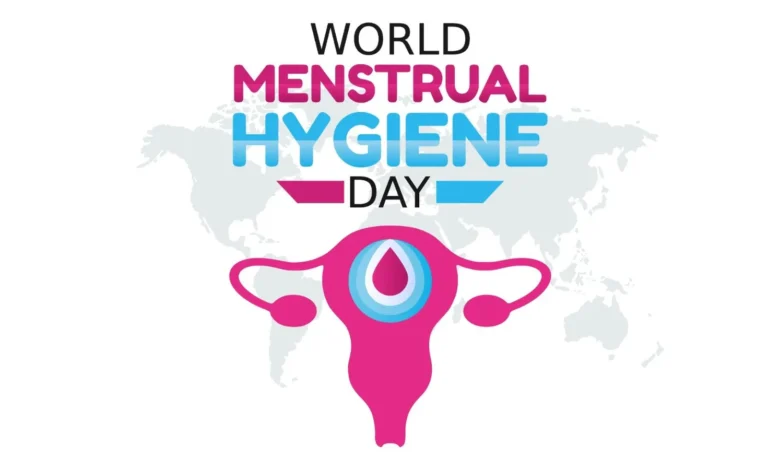
Every year, millions of girls and women around the world face challenges related to menstruation — from lack of access to sanitary products to deep-rooted cultural taboos. To address these issues and promote open conversations, menstrual hygiene day is observed globally. This important awareness day highlights the need for proper menstrual care, education, and equal access to hygiene resources.
In this comprehensive guide, we will explore the history, purpose, themes, challenges, and global impact of menstrual hygiene awareness efforts.
What Is Menstrual Hygiene Day?

Menstrual Hygiene Day is observed annually on May 28. The date was chosen symbolically — May (the 5th month) represents the average five-day menstrual cycle, and 28 represents the average length of a menstrual cycle.
What Is Menstrual Hygiene Day?
Menstrual Hygiene Day is observed on May 28 each year to raise awareness about the importance of menstrual health, break taboos, and promote access to safe hygiene products for girls and women worldwide.
History of Menstrual Hygiene Day
The global movement began in 2014, initiated by the German-based NGO WASH United. The goal was to create a unified platform where governments, organizations, schools, and communities could work together to improve menstrual health management.
Why It Was Started
Despite menstruation being a natural biological process, many societies treat it as a taboo topic. Girls often lack:
-
Proper education about menstruation
-
Access to sanitary products
-
Clean and private sanitation facilities
-
Emotional support
The observance of menstrual hygiene day aims to normalize conversations and eliminate stigma.
Importance of Menstrual Hygiene Day

The significance of this global awareness campaign extends beyond health — it impacts education, equality, and human rights.
1. Promotes Safe Menstrual Practices
Proper menstrual hygiene reduces the risk of:
-
Reproductive tract infections
-
Urinary tract infections
-
Skin irritation
Educational campaigns conducted during menstrual hygiene day emphasize safe product usage and disposal methods.
2. Supports Girls’ Education
Many girls miss school during their periods due to:
-
Lack of sanitary pads
-
Fear of embarrassment
-
Absence of clean toilets
Raising awareness encourages schools to provide better facilities and menstrual education.
3. Breaks Social Taboos
In several cultures, menstruation is surrounded by myths and restrictions. Open discussions help:
-
Challenge misconceptions
-
Promote gender equality
-
Encourage confidence among young girls
4. Encourages Policy Changes
Governments are increasingly introducing policies such as:
-
Free sanitary pad distribution
-
Tax removal on menstrual products
-
Awareness programs in schools
The advocacy efforts during menstrual hygiene day influence these progressive steps.
Global Challenges in Menstrual Hygiene
Despite progress, several barriers remain.
Period Poverty
Period poverty refers to the inability to afford menstrual products. It affects millions worldwide.
Lack of Sanitation Facilities
Many rural areas lack:
-
Private toilets
-
Clean water
-
Proper disposal systems
Cultural Stigma
In some communities, menstruating girls are restricted from:
-
Entering religious places
-
Cooking food
-
Attending school
Awareness campaigns during menstrual hygiene day aim to dismantle these outdated beliefs.
Themes of Menstrual Hygiene Day
Each year, organizations select a theme to focus awareness efforts. Themes often address:
-
Ending stigma
-
Period equality
-
Access to hygiene products
-
Education for all
These themes help create global momentum and structured campaigns.
Table: Key Facts About Menstrual Hygiene Day
| Aspect | Details |
|---|---|
| Observed On | May 28 |
| Launched In | 2014 |
| Initiated By | WASH United |
| Main Focus | Menstrual health awareness |
| Global Reach | 100+ countries |
Role of Schools and Colleges
Educational institutions play a critical role in spreading awareness.
School Initiatives May Include:
-
Health workshops
-
Distribution of sanitary pads
-
Open discussions about puberty
-
Hygiene awareness campaigns
Participating in menstrual hygiene day activities helps create supportive environments for young girls.
Health Benefits of Proper Menstrual Hygiene
Maintaining menstrual hygiene ensures:
-
Reduced infection risk
-
Improved comfort
-
Better mental well-being
-
Increased self-confidence
Changing sanitary products regularly and maintaining personal cleanliness are essential practices.
Tips for Maintaining Proper Menstrual Hygiene
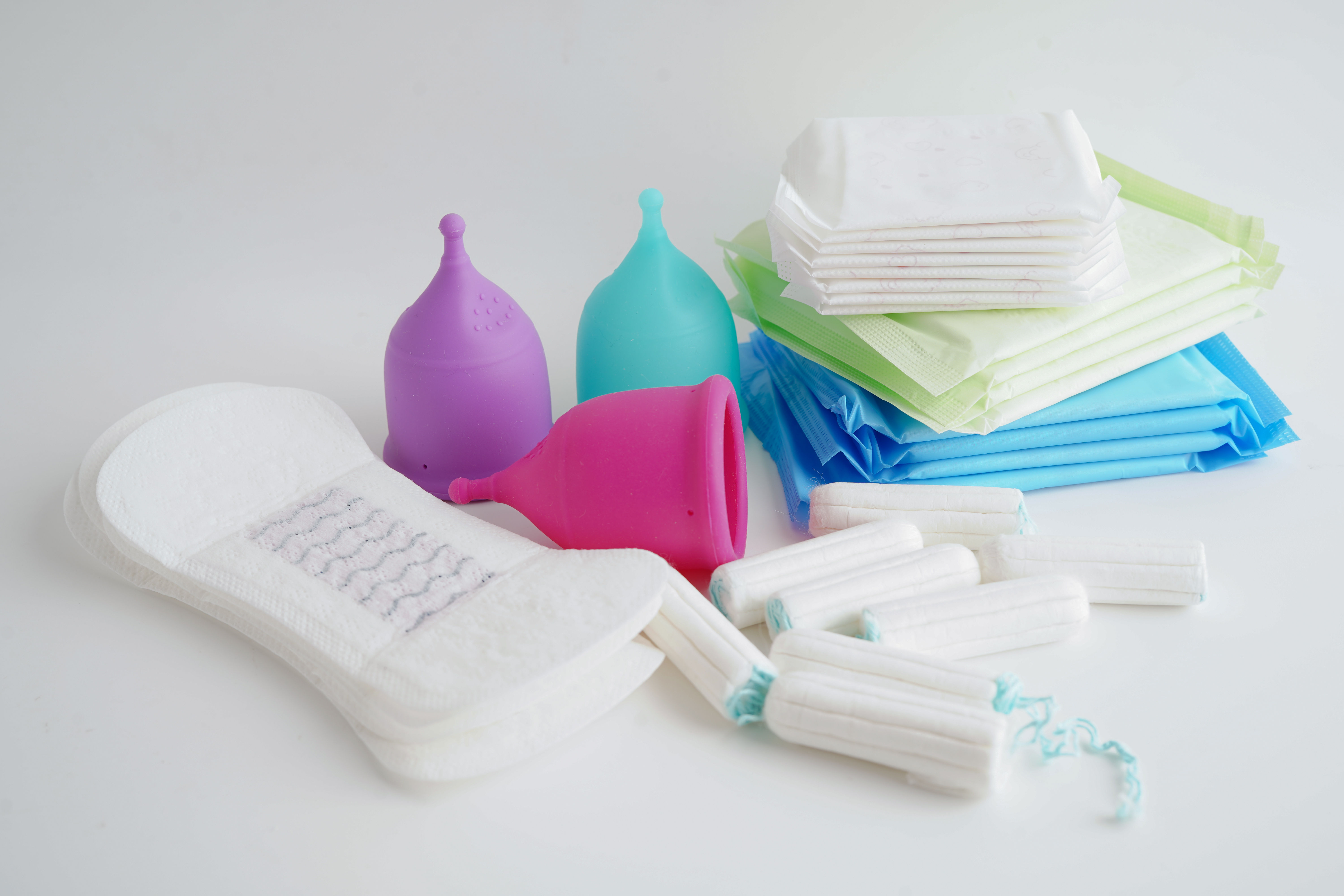
1. Choose the Right Product
Options include:
-
Sanitary pads
-
Tampons
-
Menstrual cups
-
Reusable cloth pads
2. Change Products Regularly
Every 4–6 hours is generally recommended.
3. Maintain Cleanliness
Wash hands before and after changing products.
4. Dispose Safely
Use proper disposal bins or follow eco-friendly practices.
Campaigns during menstrual hygiene day emphasize these essential habits.
Environmental Impact of Menstrual Products
Disposable sanitary products contribute to plastic waste. Sustainable alternatives include:
-
Reusable cloth pads
-
Menstrual cups
-
Biodegradable pads
Environmental awareness is increasingly part of menstrual hygiene day campaigns.
Role of Men and Boys in Awareness
Menstrual health is not only a women’s issue. Men and boys can:
-
Support open conversations
-
Challenge stigma
-
Promote equality
Inclusive dialogue strengthens the impact of awareness initiatives.
Government and NGO Involvement
Several governments now support:
-
Free pad schemes
-
Menstrual health education programs
-
Community awareness drives
NGOs organize large-scale campaigns during menstrual hygiene day to reach underserved communities.
Why Is Menstrual Hygiene Important?
Proper menstrual hygiene prevents infections, supports reproductive health, improves comfort, and helps girls attend school confidently without stigma or fear.
Menstrual Hygiene and Gender Equality

Access to menstrual hygiene products is linked to:
-
Educational equality
-
Workplace participation
-
Social inclusion
Lack of access can limit opportunities for women and girls. That’s why menstrual hygiene day also supports broader gender equality goals.
Digital and Social Media Campaigns
Social media plays a powerful role in spreading awareness. Campaigns often include:
-
Educational posts
-
Real-life stories
-
Hashtag movements
-
Online workshops
These digital efforts help normalize discussions about menstruation.
How Communities Can Participate
Communities can observe menstrual hygiene day by:
-
Organizing health camps
-
Distributing sanitary kits
-
Hosting educational seminars
-
Encouraging open discussions
Collective participation strengthens awareness.
Frequently Asked Questions
1. Why Is Menstrual Hygiene Day Celebrated on May 28?
May represents the 5-day average menstruation period, and 28 represents the average menstrual cycle length.
2. Who Started Menstrual Hygiene Day?
It was initiated by WASH United in 2014.
3. Why Is Awareness Still Needed?
Many girls still face stigma, lack access to products, and miss school during menstruation.
4. How Can Individuals Help?
By supporting education, donating hygiene products, and promoting open conversations.
Long-Term Impact of Menstrual Hygiene Awareness
Sustained awareness efforts lead to:
-
Reduced stigma
-
Better health outcomes
-
Higher school attendance rates
-
Policy improvements
The continued observance of menstrual hygiene day ensures the topic remains a global priority.
Conclusion
Menstruation is a natural and healthy biological process, yet millions of girls and women face unnecessary challenges due to stigma, misinformation, and lack of access to hygiene products. Observing menstrual hygiene day each year reminds the world that menstrual health is a matter of dignity, equality, and human rights.
Through education, open dialogue, policy reform, and community support, we can create a world where no girl feels ashamed or disadvantaged because of her period. Awareness is the first step toward change — and collective action makes lasting impact.
If you’d like, I can also create a second SEO-optimized version with different structure for better ranking diversity.